
Apunipima Cape York Health Council has welcomed the findings of a major new scientific study confirming that vaping is likely to cause cancer, reinforcing long-held concerns about the risks of e-cigarettes, particularly for young people.
The comprehensive review, led by researchers from the University of New South Wales and published last week, analysed a wide body of global research, that included more than 100 human, animal and laboratory studies, and found strong evidence that nicotine-based vapes are likely to cause oral and lung cancers.
Apunipima Chief Executive Officer Debra Malthouse said the findings were significant for Aboriginal and Torres Strait Islander communities, where smoking and vaping continue to contribute to preventable illness, and adding to the burden of chronic disease.
“For too long, vaping has been marketed as a safer alternative to smoking,” the CEO said. “This study makes it clear that vaping is not harmless and poses serious risks to long-term health. These findings reinforce the importance of prevention, early education, and culturally appropriate support to help people quit — or not start at all.”
The study found evidence of DNA damage, inflammation, and exposure to carcinogenic chemicals in people who vape. It also identified tumour development in animal studies, leading researchers to warn against repeating the public health mistakes made with tobacco smoking.
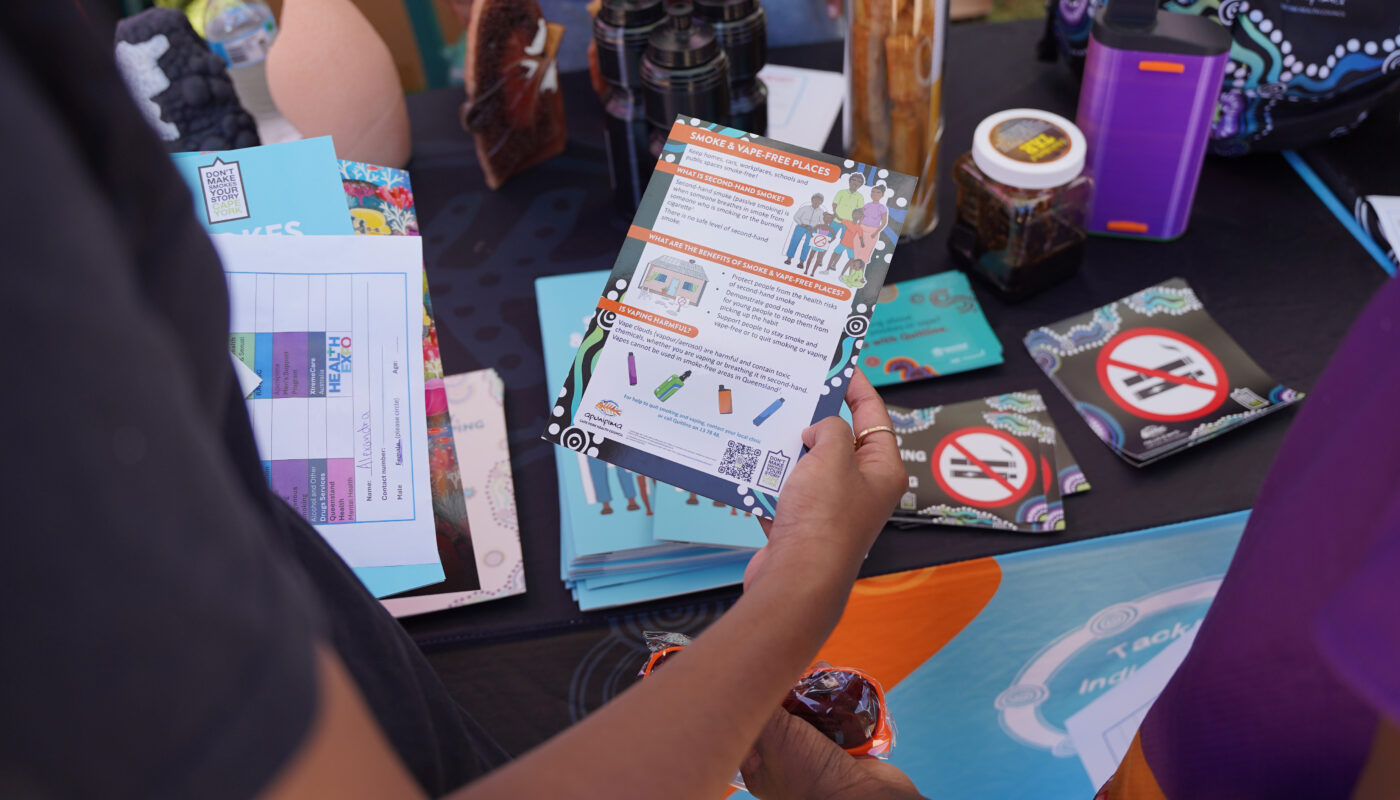
Apunipima’s Tackling Indigenous Smoking (TIS) Program has long worked across Cape York communities to reduce smoking rates and prevent the uptake of smoking and vaping among Aboriginal and Torres Strait Islander people. The program delivers a tailored mix of culturally safe, evidence-based activities, including community-led education and quit pathways, with community members encouraged to access quit support through Apunipima clinics.
The TIS team works closely with young people, pregnant women and their families, and communities to raise awareness of the harms of smoking and vaping, frequently by debunking myths about smoking and vaping, providing quit information to community members making quit attempts, and promoting smoke and vape-free environments.
Apunipima TIS Team Lead Josh Mene said, “These findings are highly important as they put the spotlight on the dangers of vaping, while also supporting our team’s purpose of communicating evidence‑based information in ways that ensure the next generation is appropriately informed to make healthy lifestyle choices.”
This growing body of research will support conversations with communities about the very real harms of vaping.
“This research validates what our communities and health workers have been saying,” the CEO said. “Vapes are not a safe option. Our TIS teams are on the ground every day, having conversations, providing support, and empowering people to make informed choices for their health and the health of future generations.”
Apunipima encourages anyone who is smoking or vaping, or thinking about quitting, to speak with their local Apunipima clinic or TIS worker for support.
More information about Apunipima’s Tackling Indigenous Smoking Program can be found here:
https://apunipima.org.au/services/health-promotion-education/tackling-indigenous-smoking/