
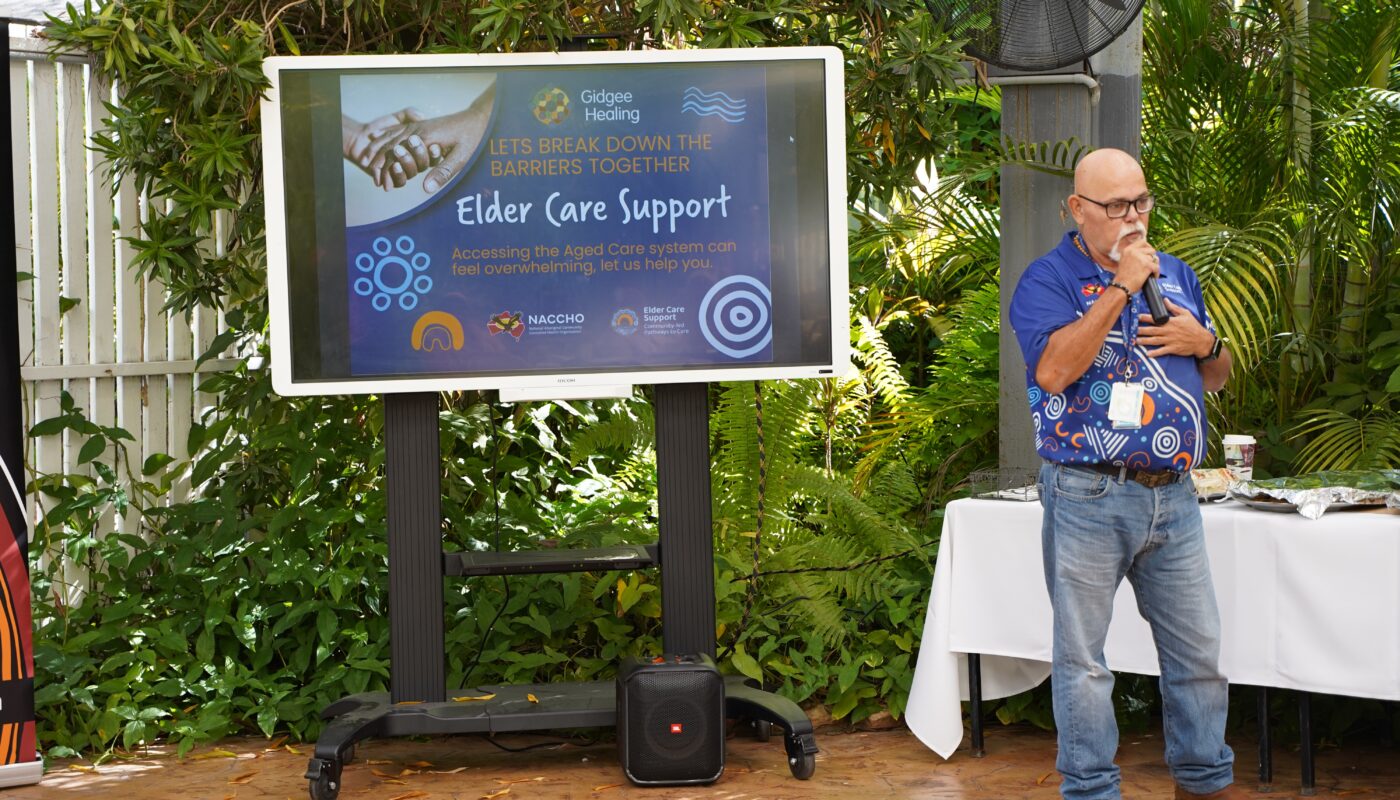
Knowing the signs of elder abuse is the first step in protecting vulnerable Aboriginal and Torres Strait Islander community members, according to Apunipima Elder Care Support Program Coordinator and aged care advocate Barry Fewquandie.
For more than a decade, Mr Fewquandie has been a leading voice strengthening culturally safe aged care support across Cape York and helping Aboriginal and Torres Strait Islander Elders understand their rights.
Know the Signs
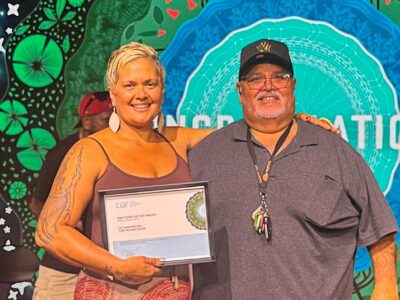
Speaking at the Gidgee Healing World Elder Abuse Awareness Day morning tea in Mount Isa on 15 June 2026, Mr Fewquandie said most people could identify the signs of physical mistreatment; however, more prevalent forms of abuse, such as psychological and financial harm, were harder to spot.
“This can look like misuse of bank cards, insults, threats or disrespect, social isolation and unmet medical needs, as well as visible signs from physical violence,” Mr Fewquandie said.
“More often than not, the person is experiencing multiple forms of harm.”
Statistics recently released by the Queensland Elder Abuse Prevention Unit showed physical abuse represented 12.1 per cent of incidents against older people, with psychological and financial harm occurring in 80.1 per cent and 69.1 per cent of cases, respectively.
Elder abuse remains a growing concern nationwide due to Australia’s rapidly increasing older population.
The Federal Government’s recently released National Plan to End the Abuse and Mistreatment of Older People 2026–2036 highlights the need for more community awareness about how to identify, prevent and respond to abuse and mistreatment of Elders.
The plan also recognises the importance of community-led approaches and solutions in responding to and preventing the abuse and mistreatment of older Aboriginal and Torres Strait Islander people.
For Aboriginal and Torres Strait Islander communities, Mr Fewquandie emphasised the importance of culture and respect.
“The abuse and mistreatment of our Elders is not our way,” he said.
“It’s important to know the signs and, if you see something, say something.
“Nowadays not everybody gets the chance to grow old so we to honour our elderly and be kind and care for them the way they cared for us.”
Getting help
If you experience, witness or suspect elder abuse, call the National Elder Abuse phone line 1800ELDERHelp (1800 353 374) or the Older Persons Advocacy Network (OPAN) on 1800 700 600 for free and confidential information, support or referrals.
Cape York community members can also contact their local Apunipima Primary Care or Wellbeing Centre or speak to their Apunipima Elder Care Support worker.