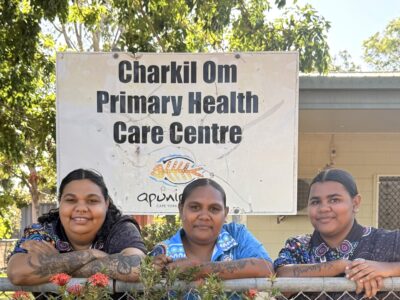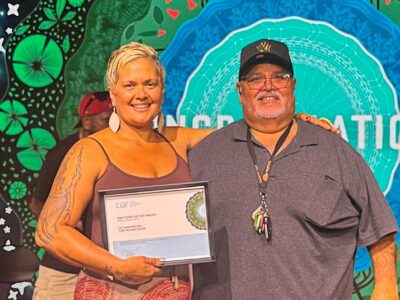


[vc_row][vc_column][vc_column_text css=”.vc_custom_1575002377055{margin-bottom: 0px !important;}”]Cancer Council Queensland is on a mission to stamp out smoking in disadvantaged communities and will be conducting Tackling Tobacco training at Apunipima Cape York Health Council this NAIDOC Week.
Rates of daily smoking are two-and-a-half times higher among Indigenous Queenslanders – putting Aboriginal and Torres Strait Islander people’s lung health and lives at risk.
Cancer Council Queensland’s Tackling Tobacco program works by helping community service organisations to address smoking amongst clients through training, resources and networking opportunities. Apunipima Cape York Health Council invited the charity to present the training on Thursday, July 11, in Cairns following a successful session in Atherton earlier this year.
Apunipima Cape York Health Council Health Promotion Advisor Dallas McKeown said: “We welcome the opportunity to work in collaboration with Cancer Council Queensland, and addressing tobacco smoking should be on the agenda of all health practitioners. A whole of population approach is the most effective method of tackling tobacco and its associated harms.”
Cancer Council Queensland CEO Ms McMillan said despite significant achievements in the reduction of smoking among the general population, smoking prevalence among many subgroups remains markedly higher, including Aboriginal and Torres Strait Islander people.
“Smoking damages people’s health, increases their financial stress and erodes their quality of life. Everyone deserves to live smoke free and have more money in their pocket,” Ms McMillan said.
“Tackling Tobacco is our way of targeting social injustice and disadvantage from the ground up and helping people realise that they can quit smoking, become role models in their community and help their family and friends live a healthier, more financially sustainable life.
“Organisations such as Apunipima Cape York Health Council that support Aboriginal and Torres Strait Island populations are perfectly placed to create positive change as they have existing connections with these populations and are committed to improving their wellbeing.”
Around 140 people in Far North Queensland are diagnosed with lung cancer per year and about 110 will die from the disease each year.
While there are many factors that can contribute to lung cancer, smoking remains the leading cause, with an estimated 80 per cent of all lung cancer cases in the state is attributable to smoking.
Social and community sector staff can find out more about the Tackling Tobacco Queensland program by visiting http://bit.ly/tacklingtobaccoqld and Queenslanders ready to quit smoking should contact Quitline 13 QUIT (13 7848) or speak to a health professional.
For more information or interviews on the Tackling Tobacco program, please contact:
Lisa Maynard, Manager, Public Relations and Social Media, Cancer Council Queensland
P. (07) 3634 5171 E. lisamaynard@cancerqld.org.au
[/vc_column_text][/vc_column][/vc_row]